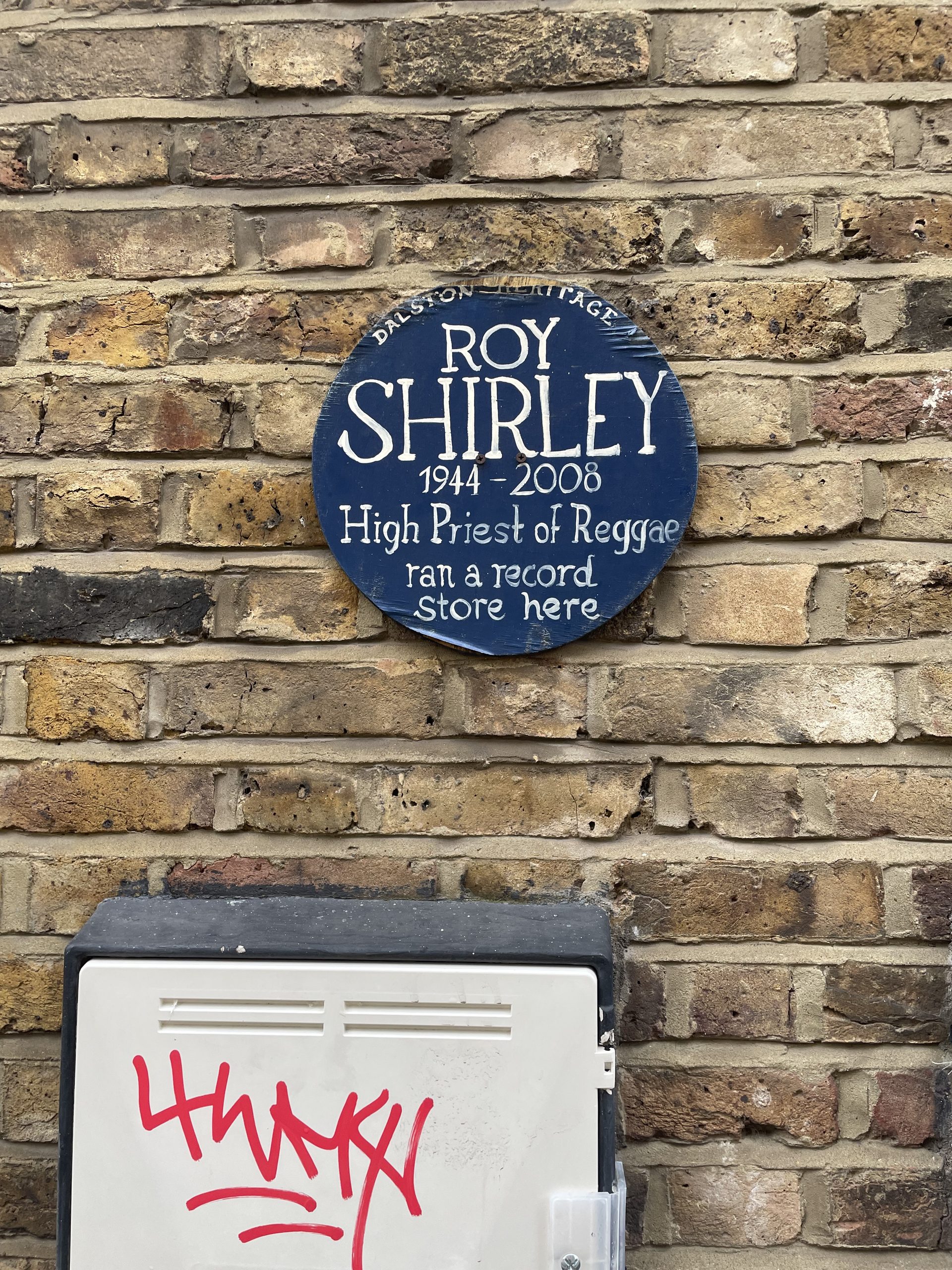
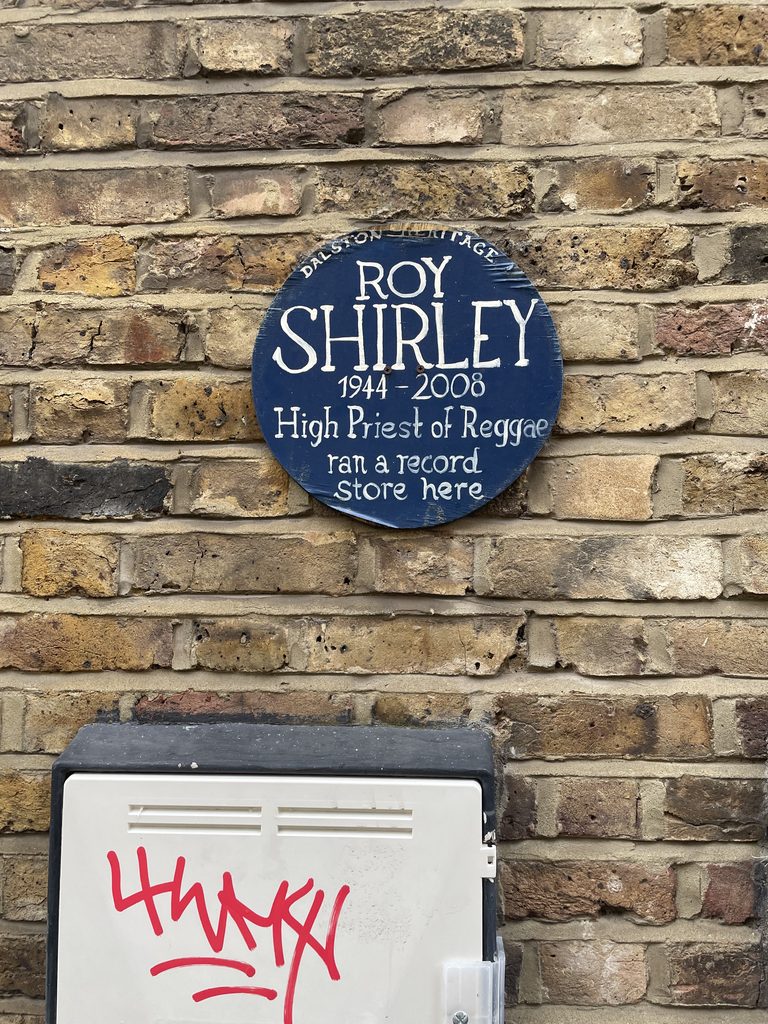
Roy Shirley was already a music legend when he opened his Imperial record shop at 10 Birkbeck Road in Dalston, Hackney, bringing a pioneering voice of rocksteady into the heart of London’s Caribbean community.
A singer whose groundbreaking recordings helped transform Jamaican popular music, Shirley also became part of the Hackney’s thriving network of record shops, recording studios and blues parties during the 1970s.
From Trench Town to Rocksteady Pioneer
Born Ainsworth Roy Rushton Shirley in Kingston, Jamaica, on the 18th of July 1944, Roy Shirley grew up in Trench Town, where he developed his remarkable voice singing in the choir of his mother’s revivalist church.
His early musical ambitions took him to local talent competitions, including the influential ‘Vere Johns Opportunity Hour’, where a second-place finish helped bring him to the attention of Jamaican entertainment figures Edward Seaga and Byron Lee.
His first commercial success came in 1965 with ‘Oh Shirley’, recorded for producer Leslie Kong and arranged with the assistance of his friend Jimmy Cliff. He subsequently performed with The Leaders, alongside Ken Boothe, Joe White and Chuck Josephs, before joining Slim Smith and Franklyn White in an early line-up of The Uniques.
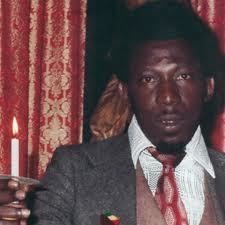
Shirley’s most important contribution to Jamaican music came with ‘Hold Them’, recorded for producer Joe Gibbs in the mid-1960s. The song’s slower, more deliberate rhythm marked a departure from the energetic pace of ska and is widely recognised as one of the earliest rocksteady recordings.
Although the precise origins of rocksteady remain debated, Shirley’s record occupies a significant place in the genre’s development, helping establish the musical foundations from which reggae would emerge.
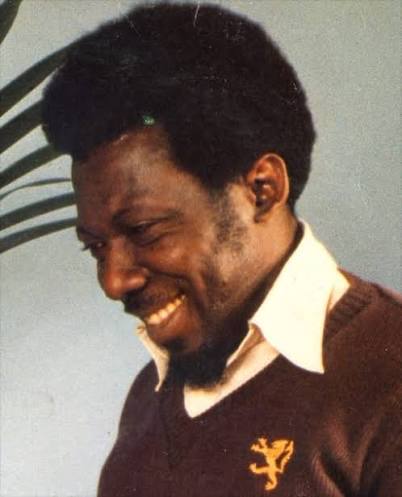
The High Priest of Reggae
Roy Shirley was no ordinary performer. Known as the ‘High Priest of Reggae’, he developed an extravagant stage persona, appearing in flowing silver capes with enormous raised collars, delivering dramatic vocal performances influenced by American soul singers such as Solomon Burke and James Brown.
His career brought him into contact with some of Jamaica’s most influential producers, including Bunny Lee, Lee ‘Scratch’ Perry and Joe Gibbs. In 1968, he established his own ‘Public’ record label, taking greater control over his recordings at a time when Jamaican artists frequently depended on producers and record companies to release their music.
Following appearances in the United States, including a residency at Harlem’s Apollo Theater in 1972, Shirley toured Britain alongside U-Roy and Max Romeo. He settled in London in 1973, joining a growing community of Jamaican musicians, producers and sound system operators who were establishing Britain as an important centre for reggae.
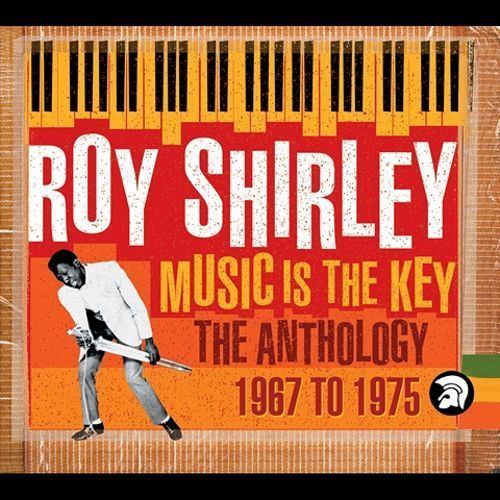
Roy Shirley’s Imperial Record Shop and the Blues Party Culture
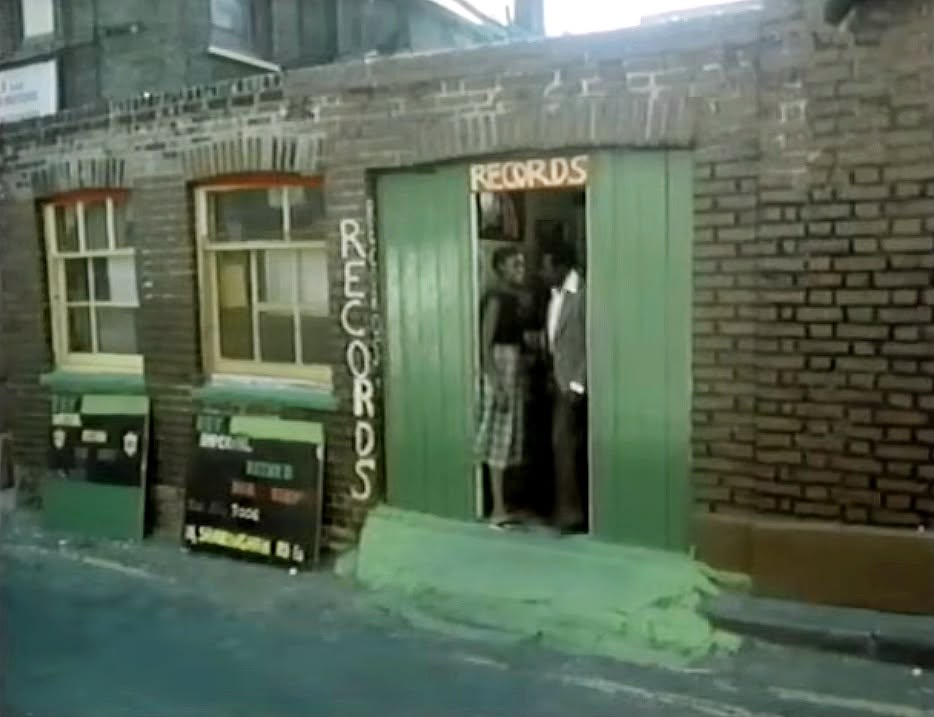
By 1976 Shirley was operating a record shop and studio on Birkbeck Road, just off Ridley Road Market. The premises appear in footage from the 1976 television documentary ‘Aquarius’, providing a rare visual record of Hackney’s Caribbean music scene during a period of extraordinary creativity.
Birkbeck Road was also part of Hackney’s flourishing blues party culture. These informal dances, often held in private houses or improvised venues, provided spaces where West Indian communities could enjoy reggae, ska and other music outside mainstream nightlife.
Veteran reggae writer and lifelong Hackney resident Penny Reel recalled attending blues dances in Birkbeck Road during the early 1970s, naming Roy Shirley among a circle that included Ras Painter, Ras Paul, Gene Rondo, Sir Collins and Sir George. The recollections offer a particularly valuable glimpse of the people behind Hackney’s musical culture, connecting the record shop to a wider social world of performers, sound systems and local gatherings.
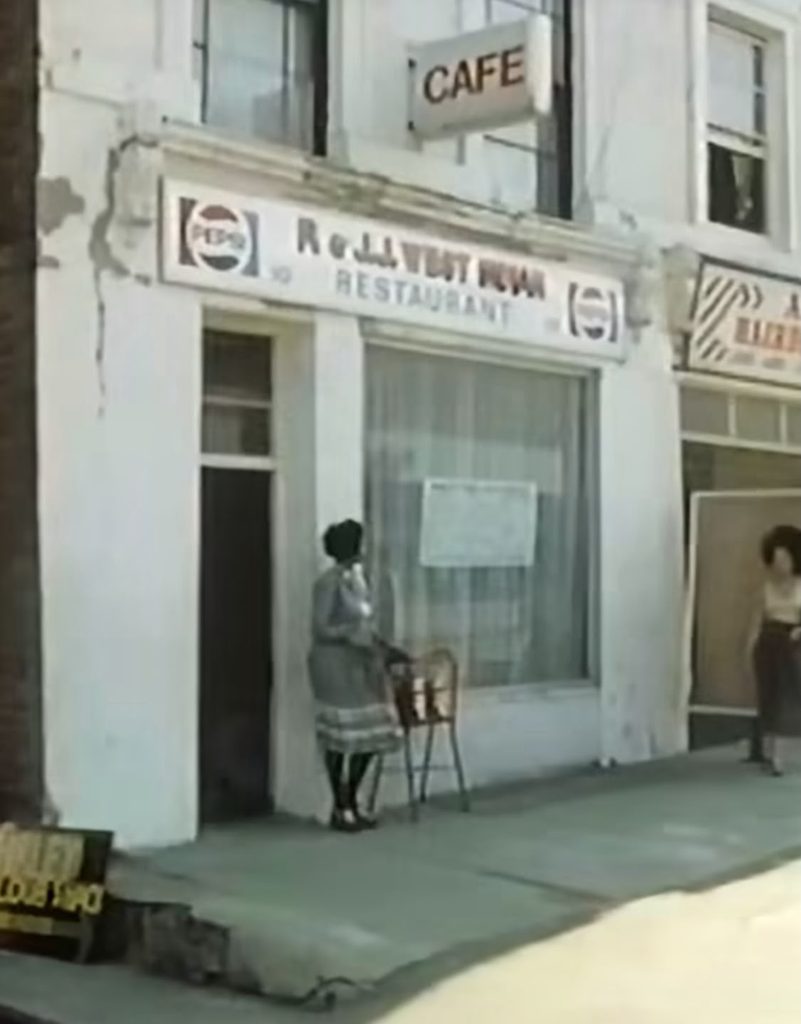
Other notable early local record shops included Tim’s Record Store, Java Records on Dalston Lane and Santic Records in Stoke Newington. These businesses were essential to the distribution of Caribbean music, providing opportunities to musicians who might otherwise have struggled to reach an audience.
Supporting Fellow Musicians
In 1976 Shirley established the ‘All Stars Artistic Federated Union’, an organisation intended to help musicians navigate the difficulties of the music industry and avoid exploitation. That same year he released his debut album ‘The Winner’.
His recording career continued into the following decades and in 1982 he appeared at Jamaica’s ‘Reggae Sunsplash’ festival. He also performed on the British television programme ‘Reggae in Britain’, accompanied by a band led by trombonist Rico Rodriguez.
In his later years, Shirley established the ‘British Universal Talent Development Association’ to support disadvantaged young performers. His commitment to nurturing talent reflected a career spent both creating music and trying to improve opportunities for other artists.
The Legacy of Roy Shirley
Roy Shirley remained musically active into his final years, performing at the ‘Sierra Nevada World Music Festival’ in California in June 2008. He passed away at his home in Thamesmead the following month, aged 63.
A memorial concert in London brought together fellow reggae artists including Derrick Morgan, Dennis Alcapone, B. B. Seaton and Michael Prophet. His body was subsequently returned to Jamaica for burial, bringing his extraordinary musical journey full circle.
Leave a Reply