
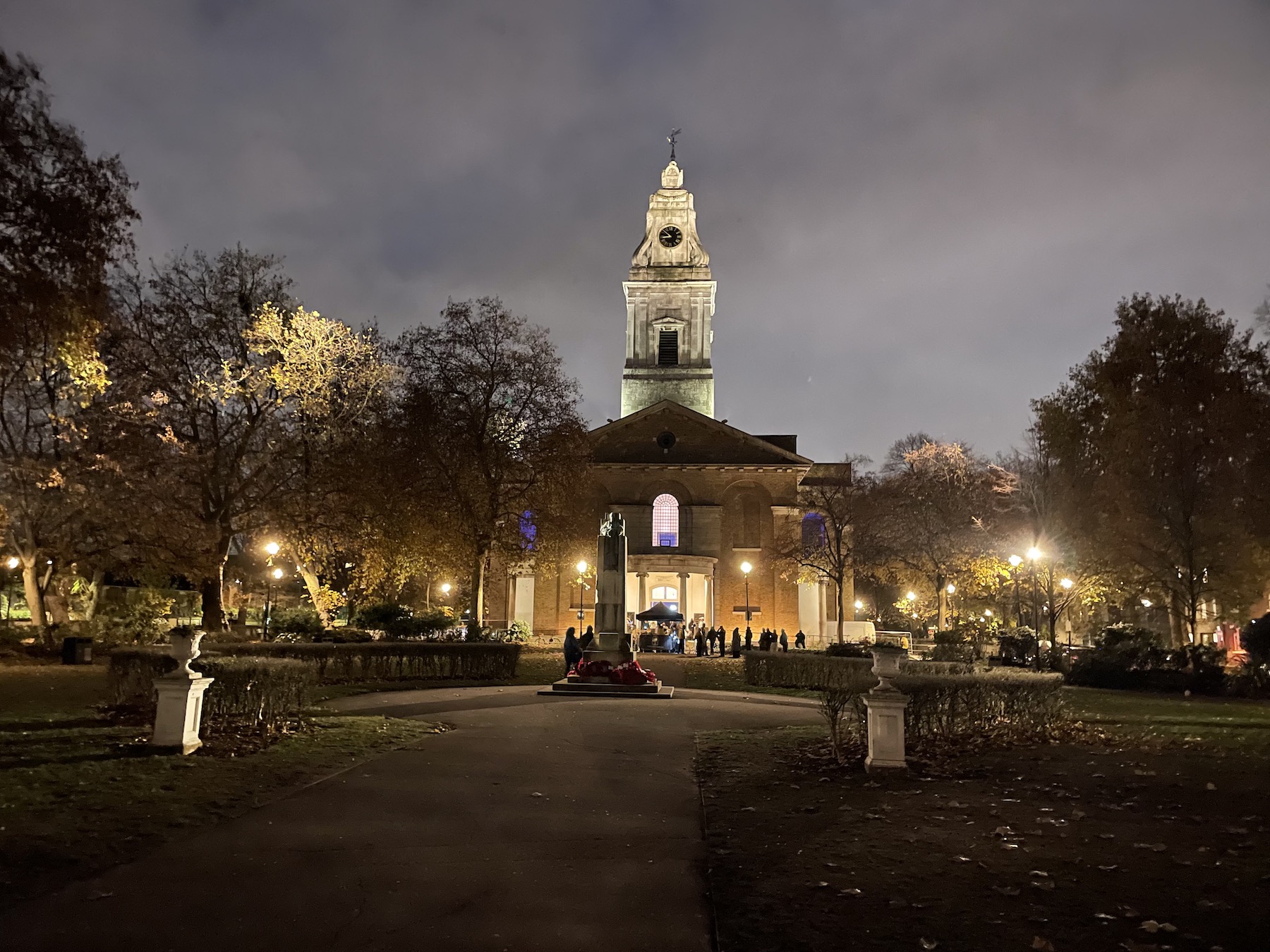
St John at Hackney, also known as Hackney Church, Lower Clapton Road E5: Sunday sermons, rock concerts, contemporary art and centuries-old traditions. Few churches can boast such a peculiar mix, where congregations make way for music fans and a historic place of worship doubles as one of the neighbourhood’s most distinctive cultural venues.
Long before the amplifiers arrived, this Hackney landmark had already survived Tudor upheavals, demolition plans, a devastating fire and enough transformations to fill a history book. A spectacular £6 million restoration completed in 2020 introduced a brand-new chapter to a building already accustomed to reinvention, enabling the Church to continue bringing people together, whether through faith, music or the arts.
Medieval Hackney: A Church Among the Fields
The earliest documentary reference to a church in Hackney dates from 1275, although a place of worship may have existed here considerably earlier.
At the time Hackney was a small rural settlement associated with the much larger parish of Stepney, surrounded by farmland, orchards and open countryside. Its church stood on slightly elevated ground near Hackney Brook, close to the junction of routes that would eventually become Mare Street, the Narroway and Lower Clapton Road.
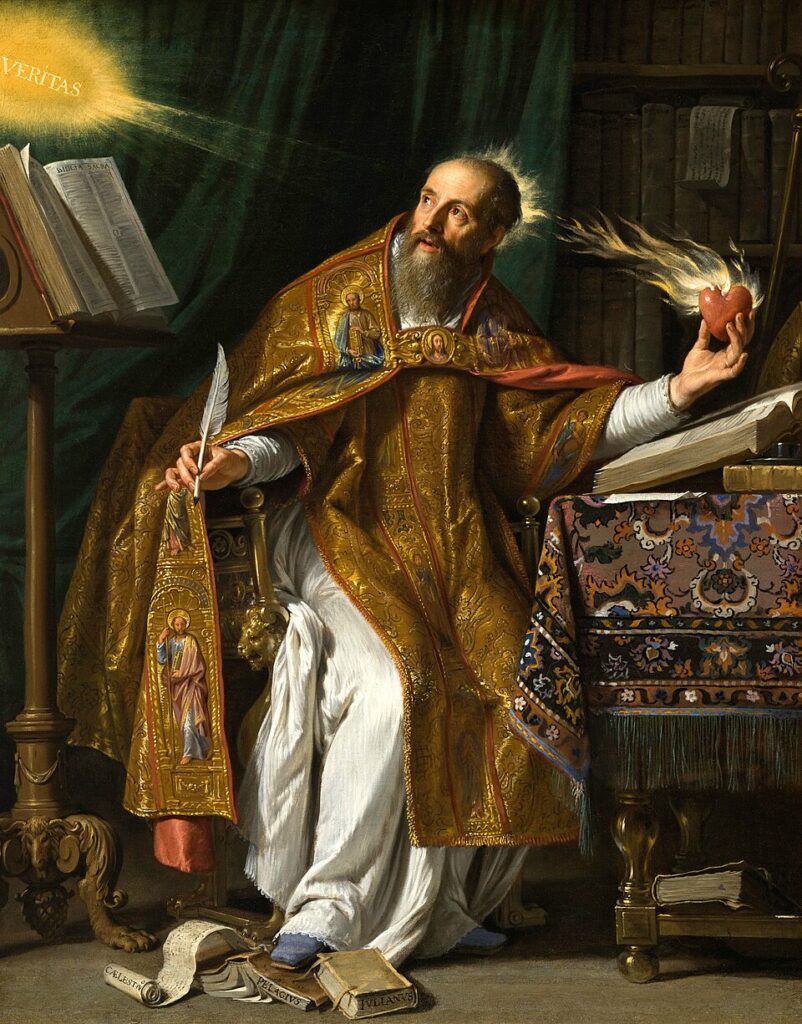
From the 14th century the building was dedicated to St Augustine of Hippo, the influential Christian theologian. The land around the church had associations with the medieval religious and military order of the Knights Templar and the dedication may have reflected Augustine’s influence on their religious traditions.
The church gradually developed into a substantial medieval building with a nave, chancel, side chapels and a tower, serving as both a religious centre and a focal point for village life.
Christopher Urswick and the Tudor Reconstruction
One of the most influential figures in the church’s history was Christopher Urswick, a priest and royal diplomat closely associated with Margaret Beaufort, mother of Henry VII.
Urswick played a role in the political events surrounding the downfall of Richard III and even appears as a character in Shakespeare’s Richard III. His appointment as rector of Hackney in 1502 brought the village church into closer contact with some of the most powerful figures in Tudor England.
Around 1520 Urswick and Sir John Heron financed a major reconstruction of the church, including its nave, chancel and tower. The surviving St Augustine’s Tower largely dates from this rebuilding, rather than from the original 13th-century structure. Their coats of arms were incorporated into the church’s stonework, leaving a lasting reminder of their involvement.
Urswick also lived in a substantial residence near the church known as Church House, or Urswick’s House. Although traditionally credited with building it, records suggest that a rectory already existed in the area before his arrival. The house survived until around 1800, when it was demolished to make way for Hackney’s first Town Hall, which was ultimately completed in 1802.
The English Reformation brought further changes. As Protestant worship replaced Catholic traditions, religious imagery and furnishings were removed or altered, while the church’s interior gradually acquired the pews and galleries characteristic of Anglican worship.
The church’s identity also changed. Around 1660, following the Restoration of the monarchy, its dedication shifted from St Augustine to St John. Historical references variously identified the patron as St John of Jerusalem or St John the Baptist, before the name St John at Hackney became firmly established. The church remains dedicated to St John the Baptist today.
Samuel Pepys and Hackney’s Famous Organ
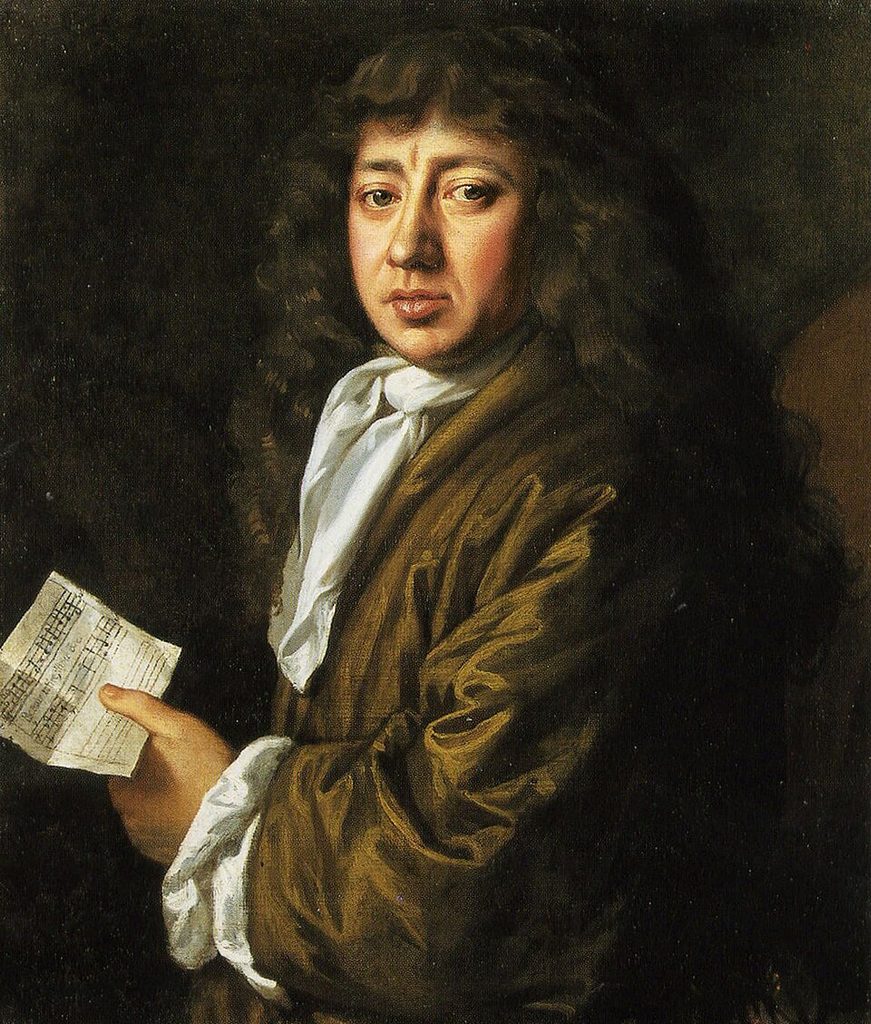
The old parish church attracted visitors from beyond Hackney, including the celebrated diarist Samuel Pepys, who came to hear its organ in 1667. This was a period when church organs were regaining their place in Anglican worship following the restrictions and upheavals of the Commonwealth.
By then Hackney was increasingly attractive to prosperous Londoners seeking homes outside the crowded City. Merchants, professionals and wealthy families settled in the district, bringing new money and influence to its parish institutions. The church reflected that prosperity through its monuments, furnishings and increasingly elaborate interior.
A Georgian Giant Rises in Hackney, 1792-1797
By the late 18th century the medieval church could no longer accommodate Hackney’s expanding congregation. Its cramped interior and the congestion around Church Street prompted parish authorities to approve a replacement in 1789.
Following the death of the originally appointed architect, William Blackburn, James Spiller was selected from six candidates to design a much larger building. Spiller, a contemporary and associate of Sir John Soane, proposed an imposing neoclassical church with a Greek-cross plan. Construction began in 1792 on open land north-east of the original building and the new church was consecrated on the 15th of July 1797.
Designed for approximately 2,000 worshippers, it was an exceptionally ambitious undertaking for what had once been a modest country village. Spiller reportedly persuaded the trustees to reduce their initial capacity ambitions because he feared the acoustics of an even larger building would be inadequate.
The result was a monumental structure of London stock brick, enriched with Portland stone detailing, classical columns, pediments and sweeping galleries. Unlike the traditional long, narrow arrangement of many English parish churches, its cross-shaped layout brought worshippers closer to the central space.
St Augustine’s Tower: Standing Against the Odds
The old church was demolished in March 1798 but its 16th-century tower survived because the new building had been constructed without a permanent bell tower. St Augustine’s Tower continued to house the parish bells while plans for the Georgian church’s steeple were developed.
A Portland stone tower and steeple were added to St John at Hackney in 1814, with Robert Streather responsible for the work and the church’s distinctive semicircular Ionic porches. Unfortunately, the new structure was unable to support the bells safely. Only after strengthening work in 1854 could they finally be transferred from the old tower.
By that point the medieval landmark had acquired a significance far beyond its practical purpose. Although demolition had originally been envisaged, local attachment to the building helped ensure its survival. Today, St Augustine’s Tower is Grade I listed, appears in Hackney’s civic heraldry and remains one of the borough’s most recognisable historic structures.
A Churchyard Full of Hackney History
The surrounding churchyard contains the remains and memorials of people whose lives shaped Hackney and, in some cases, the wider world.
Among them is Conrad Loddiges, whose family operated the internationally renowned botanical nursery on Mare Street. Another is Admiral Sir Francis Beaufort, associated with the wind-force scale still used in weather forecasting. The church also preserves monuments transferred from its medieval predecessor, including those commemorating Christopher Urswick and Lady Lucy Latimer, a lady-in-waiting to Catherine Parr.
For centuries the churchyard was far more than a burial ground. It hosted fairs, gatherings and recreational activities, functioning as an important communal space. By the 1850s, however, it had become overcrowded and burials largely ceased. In 1894, following legislation allowing disused burial grounds to become public gardens, the site was transformed into a park. The work proved controversial, with gravestones relocated against the wishes of some residents.
The gardens remain consecrated ground, despite being managed as public open space. Today, around 300 gravestones and 200 trees survive across the site, while the churchyard’s layered history can still be traced through its tombs, memorials and pathways.
A Surprising Connection to Sutton House
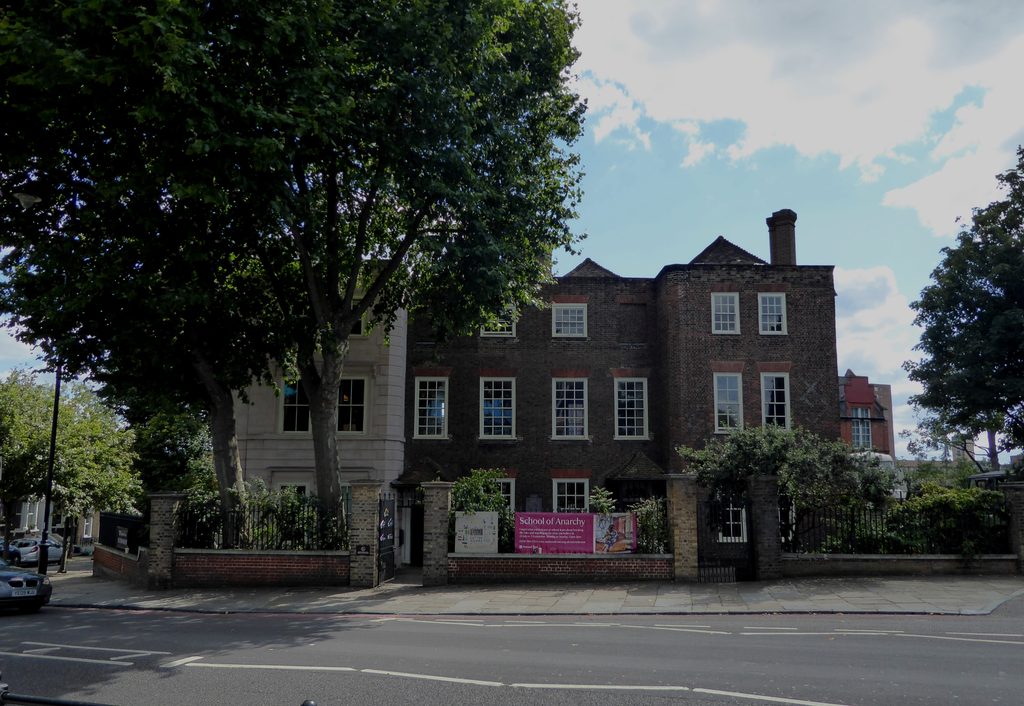
In 1891 St John at Hackney acquired a historic Tudor house on Homerton High Street and established the St John’s Church Institute there. Its purpose was to provide educational, recreational and social opportunities for young men, extending the church’s activities beyond religious services.
That building was Sutton House, constructed in the early 16th century and now one of Hackney’s most treasured historic properties. Later acquired by the National Trust, it survives as a remarkable reminder of the district’s Tudor past.
The Devastating Fire of 1955
St John at Hackney survived the Second World War with relatively little damage, only to suffer a catastrophe a decade later. On the 18th of May 1955 a fire broke out in the roof, devastating large sections of the building. The blaze destroyed much of the roof, numerous pews and the historic organ built by George Pike England in 1799, which had incorporated material from an earlier instrument.
Reconstruction required substantial structural alterations, including replacing damaged roof supports and reorganising parts of the interior. The church also received an extraordinary royal contribution: altar hangings originally designed for Queen Elizabeth II’s coronation at Westminster Abbey in 1953. A replacement organ was brought from All Saints, Ennismore Gardens, and a new east window was designed by stained-glass artist Christopher Webb.
After three years of rebuilding, St John at Hackney was reconsecrated on the 24th of June 1958, the feast day of St John the Baptist. Its historic bells were also recast in 1957, with two additional bells installed in 2004, bringing the total to ten. The church remains an active centre for traditional English change ringing.
From Parish Church to Concert Venue
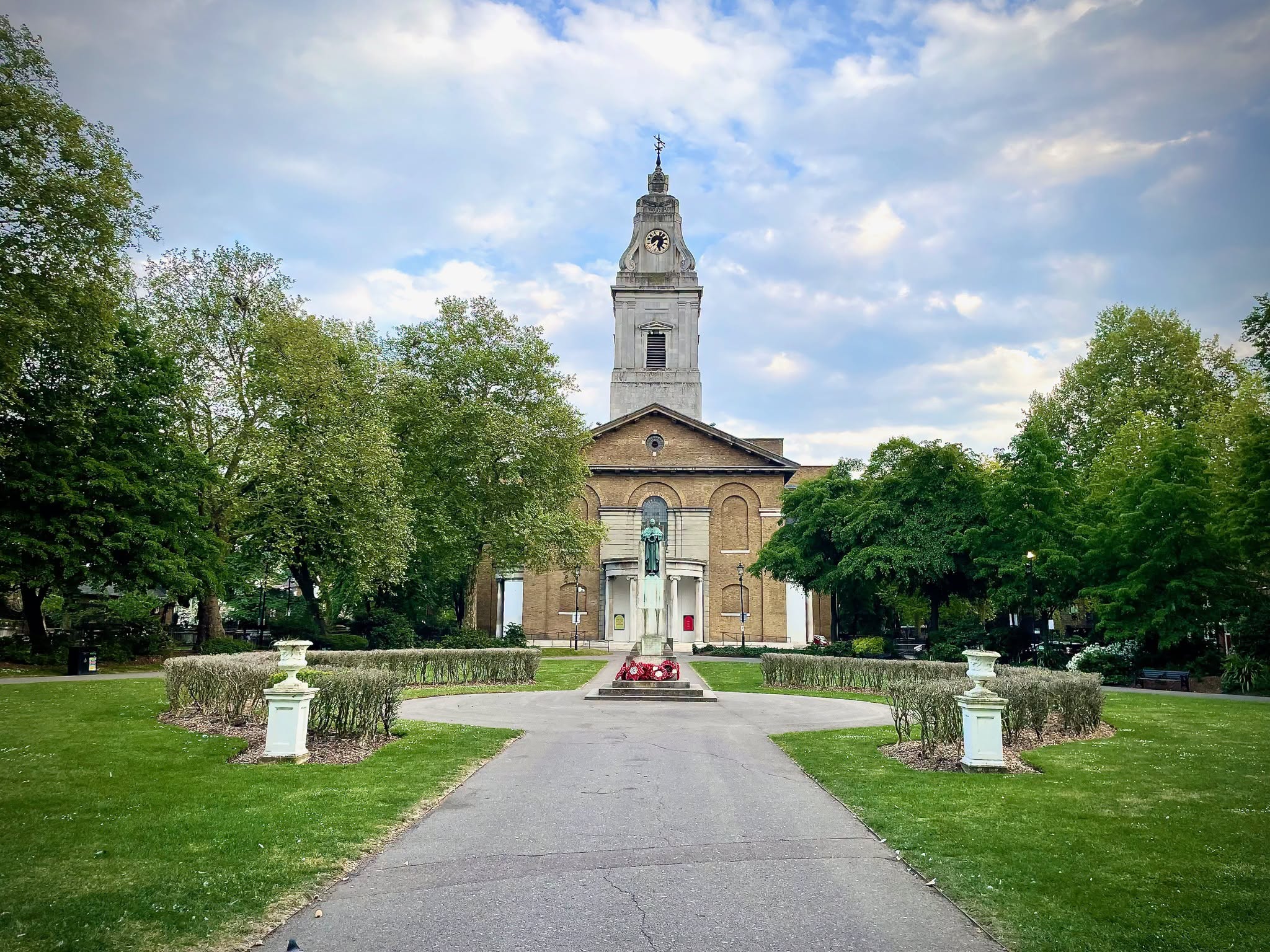
During the late 20th and early 21st centuries St John at Hackney increasingly embraced a wider cultural role. Its enormous interior and impressive acoustics made it an attractive setting for live performances, allowing a building originally designed for Georgian congregations to accommodate contemporary audiences.
Before its most recent restoration, the church had hosted major musical acts including Coldplay, Robbie Williams and Emeli Sandé. Its emergence as a concert venue demonstrated how historic churches could find new audiences while retaining their religious purpose. However, decades of repairs, alterations and mounting maintenance requirements meant that the building needed substantial investment.
The £6 Million Transformation, 2017-2020
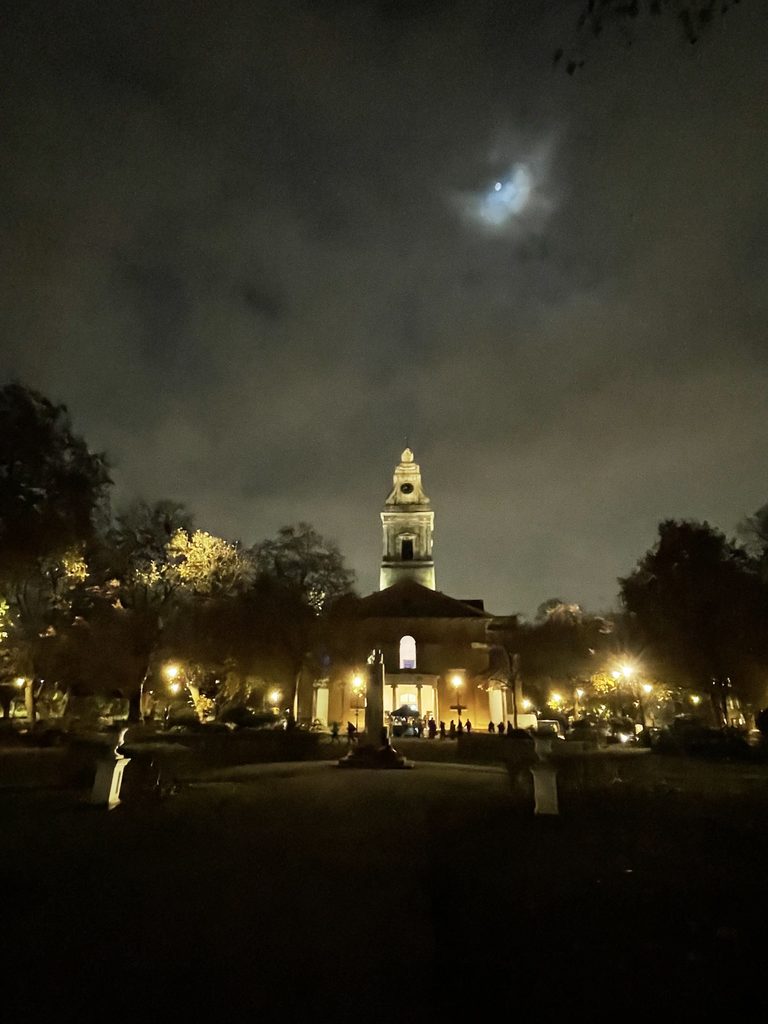
An ambitious restoration programme completed in 2020 transformed St John at Hackney into what its organisers described as a ‘cathedral of creativity’. The approximately £6 million project, supported by the National Lottery Heritage Fund, brought together minimalist architectural designer John Pawson, conservation architects Thomas Ford & Partners and internationally renowned artist Es Devlin.
The work sought to recover the clarity of Spiller’s original Georgian design while making the building suitable for contemporary worship, concerts, exhibitions and community activities.
Later additions were removed or reorganised, the four corner entrances were restored and new oak architectural elements introduced. A permanent raised platform was designed to function as both an altar area and a performance stage, while improvements to heating, lighting, acoustics, accessibility and storage made the vast interior considerably more adaptable.
Pawson designed new liturgical furnishings, including the altar, lectern, font and processional cross. Two chapels were created, and Es Devlin contributed Shared Sky, an immersive installation using images of skies from different parts of the world to explore connections between people and places. The restoration received a prestigious RIBA National Award in 2022 for the quality of the architectural transformation.
St John at Hackney Today: Hackney Church, Music and Community
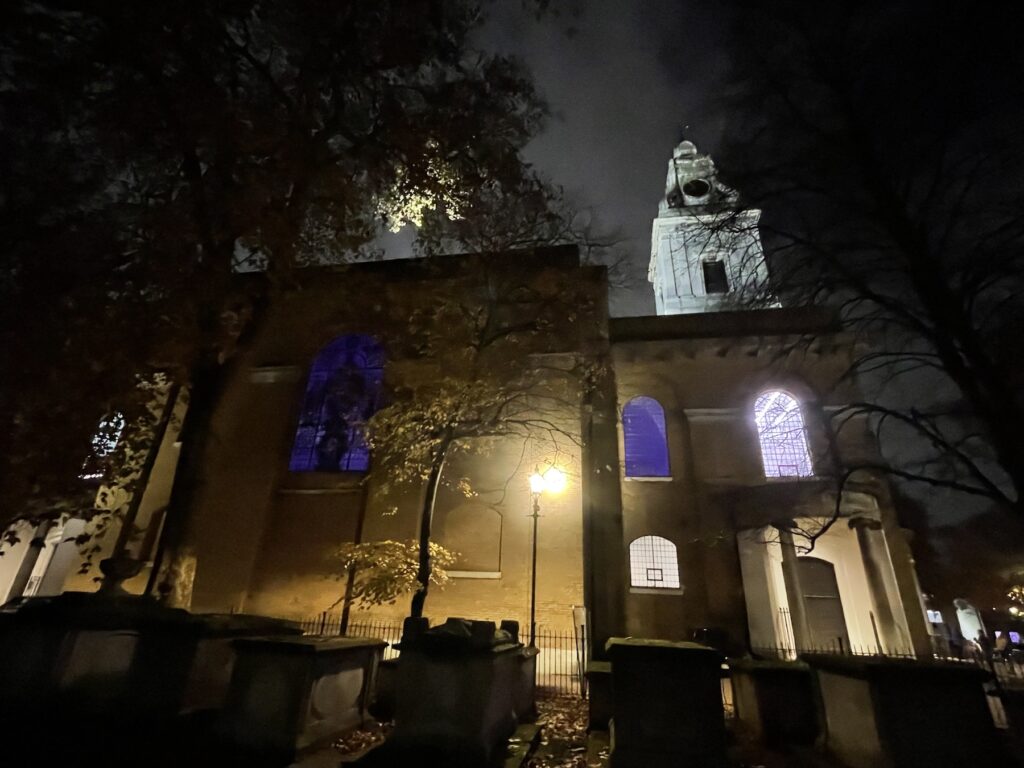
Today St John at Hackney, also known as Hackney Church, remains an active Anglican parish church and forms part of SAINT, a wider network of church communities across East London.
The name Hackney Church is particularly associated with its contemporary identity as a place of worship and cultural venue. Alongside regular religious services, the restored building hosts concerts, arts events and community gatherings, continuing a tradition of bringing people together that stretches back centuries.
The building’s survival is particularly impressive when viewed alongside the changes that have transformed its surroundings. Few places in Hackney contain so many chapters of the borough’s history within such a small area.
Leave a Reply