
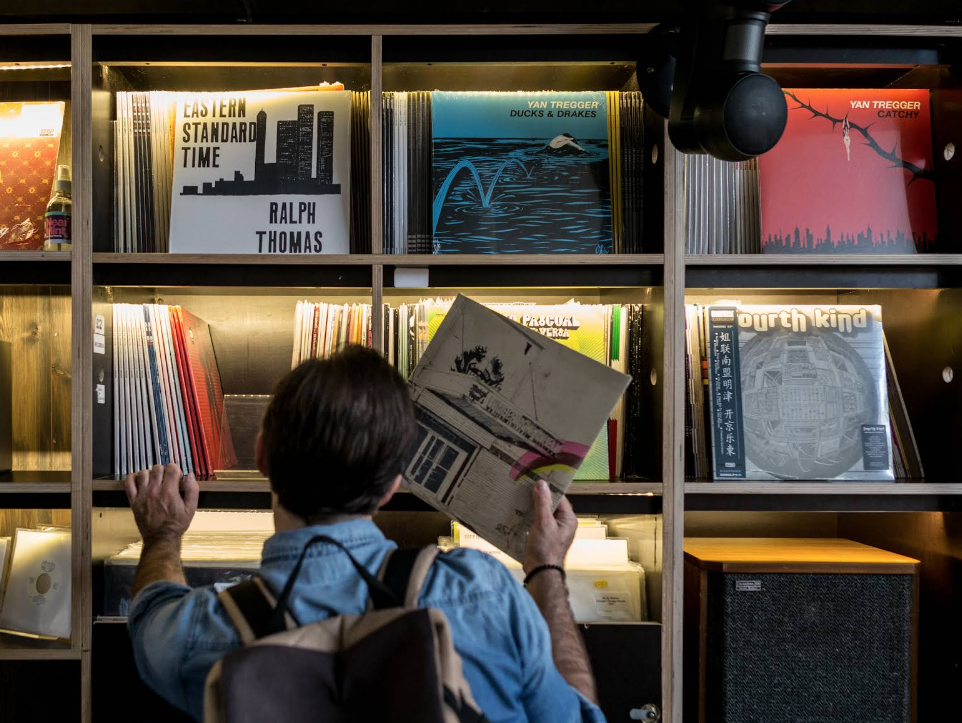
The BBE Store, Arch 376, 10 Helmsley Place E8, one of Hackney’s most important independent Black music institutions, is fighting to protect its future after nearly a decade beneath the railway arches at London Fields.
Founded in 1996, BBE Music has spent thirty years championing soul, funk, jazz, hip-hop and dance music, but its much-loved record shop and free-entry events space now faces a licensing dispute following noise complaints from residents of a new development across the road.
From a London Club Night to an International Record Label
BBE Music, short for ‘Barely Breaking Even’, was founded in London in 1996 by DJ and music enthusiast Peter Adarkwah, emerging from the city’s flourishing rare groove, soul and underground dance music scene. Its origins lay in a club night associated with Adarkwah and fellow DJ Ben Jolly, where obscure records, forgotten dancefloor classics and musical discoveries were shared with audiences hungry for sounds beyond the mainstream.
The name was borrowed from ‘Barely Breaking Even’, a disco recording by the Universal Robot Band, and reflected the financial realities of an independent music operation driven more by passion than commercial expectations. Its first release, Stop & Listen, compiled by DJ Dr Bob Jones in 1996, established an approach that would become central to BBE’s identity: bringing rare, overlooked and difficult-to-find recordings to a wider audience.
The label soon developed an international reputation for carefully researched compilations, archival discoveries and original recordings. Rather than concentrating on a single genre, BBE connected the musical traditions of African-American soul, Caribbean sounds, jazz, disco and hip-hop with contemporary club culture, helping introduce generations of listeners to music that might otherwise have remained confined to private collections and specialist record shops.
J Dilla, Roy Ayers and the BBE Legacy
One of BBE’s most significant achievements came in 2001 with the release of Welcome 2 Detroit, the debut solo album by American hip-hop producer J Dilla. Released as part of the label’s influential Beat Generation series, it helped establish the producer’s individual artistic identity and is now widely regarded as an important recording in the development of alternative hip-hop.
The Beat Generation series also featured contributions from Madlib, DJ Jazzy Jeff, Pete Rock, DJ Spinna and will.i.am. Meanwhile, BBE developed relationships with an extraordinary range of musicians and producers, including Masters at Work, Hugh Masekela, DJ Premier, Dimitri from Paris, Questlove, Mark Ronson and Gilles Peterson.
Another remarkable chapter involved jazz-funk pioneer Roy Ayers. After discovering that Ayers possessed a substantial collection of unreleased recordings dating from the late 1970s and early 1980s, BBE undertook the painstaking work of recovering and preparing the material for release. The resulting Virgin Ubiquity albums introduced previously unheard recordings to new audiences, demonstrating the label’s importance not simply as a record company but as a custodian of musical history.
The BBE Store Arrives in Hackney
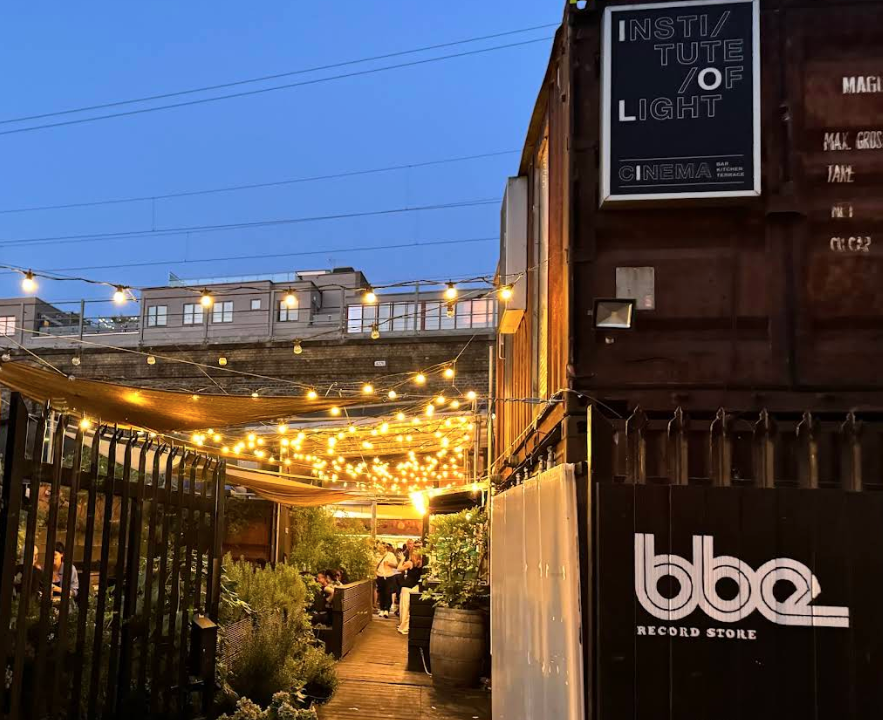
The BBE Store opened in 2016 as a temporary pop-up celebrating the label’s 20th anniversary. Located near London Fields station, it formed part of the ‘Institute of Light’, an ambitious cultural project occupying railway arches beneath the railway line.
The original Institute of Light brought together a repertory cinema, record shop, music and photography books, a restaurant, café and bar. It was conceived as a collaborative space where different creative activities could coexist. BBE’s pop-up was initially planned for just three months, with experienced record dealer Jeremy Newall behind the counter and appearances anticipated from musicians, DJs and broadcasters associated with the label.
What began as a temporary celebration became a permanent part of Hackney’s musical landscape. The shop developed into a destination for collectors, DJs and music enthusiasts, stocking thousands of new and second-hand records and CDs, including BBE releases alongside independent labels such as Brownswood, Mr Bongo, R2 Records and Atjazz. Its second-hand stock, sourced from private collections around the world, ranges from reggae and jazz to funk, blues, hip-hop and house.
More Than a Record Shop
The BBE Store gradually developed into something much more than a place to buy vinyl. An important part of its identity has been its commitment to free admission. Internationally recognised DJs, including Gilles Peterson, have appeared at the venue, but the emphasis has remained on making music accessible rather than turning every performance into a ticketed commercial event. BBE says that, apart from occasional exceptions such as New Year’s Eve, its events have remained free.
This approach has particular significance in Hackney, where black music has shaped local cultural life for decades, from reggae sound systems and Caribbean record shops to warehouse parties, pirate radio and underground club nights. BBE belongs to that wider history, connecting the borough’s musical heritage with artists and audiences across the world. Its railway arch is both a commercial premises and a place where musical knowledge, personal connections and discoveries are shared.
New Neighbours and a Licensing Dispute
In October 2026 BBE launched an urgent campaign to protect the future of its London Fields premises after receiving notice of an application to review its premises licence. According to the business, the dispute followed repeated noise complaints from residents of a block that was built just across the road after the pandemic, in what had historically been a predominantly commercial and industrial street.
BBE says it has attempted to address concerns by working with Hackney Council, installing noise limiters and acoustic curtains and reducing its evening activities to three nights a week. The business says these changes have already caused a substantial loss of income, but complaints have continued. The licence review cites two statutory licensing objectives: the prevention of crime and disorder and the prevention of public nuisance.
Importantly, Hackney Council has not ordered BBE to close. The council has explained that it is legally required to consider applications for licence reviews and that decisions must take account of representations and evidence from those involved. Depending on the outcome, the review could result in no changes, additional restrictions on activities or opening hours or, in the most serious circumstances, the revocation of the premises licence. The allegations surrounding the complaints remain disputed, and the residents’ perspective has not yet been independently established in the published reporting.
The Campaign to Save BBE
On the 16th of October 2026, BBE publicly appealed for support, launching a petition calling for the venue to retain its existing licence. The response was immediate: the campaign passed 10,000 signatures by the 18th of October, demonstrating the strength of feeling surrounding a venue whose reputation extends far beyond Hackney.
The business has also launched a fundraising appeal seeking £20,000 towards solicitors, planning consultants, evidence preparation and representation at a licensing hearing. Unlike conventional ticketed music venues, BBE cannot rely on admission charges to help cover these unexpected costs, making public support particularly important.
The dispute raises a wider question about the future of London’s cultural spaces. As former industrial area become increasingly residential, established businesses and music venues can find themselves facing restrictions because of conflicts between longstanding activities and newer neighbours.
Residents have legitimate rights to protection from unreasonable noise, but the challenge for planning and licensing authorities is to balance those rights with the survival of the cultural activities that helped give these neighbourhoods their character.
Thirty Years of Music, Ten Years in Hackney
BBE enters its thirtieth anniversary year having released hundreds of recordings, helped launch influential artists and preserved music that might otherwise have remained unheard. From a small London club night to an internationally respected independent label, its history demonstrates what can be achieved through musical curiosity, determination and a willingness to champion artists overlooked by the mainstream industry.
The London Fields store represents the physical expression of that legacy: a place where music is not simply streamed or purchased but experienced collectively. Losing its ability to host events would mean more than a change to one business’ operating conditions. It would threaten a valuable part of Hackney’s independent cultural infrastructure at a time when affordable, accessible music spaces are increasingly difficult to sustain.
If you believe Hackney should remain a place where independent music and cultural communities can flourish, please consider supporting the campaign.
Leave a Reply