
Author: admin
-
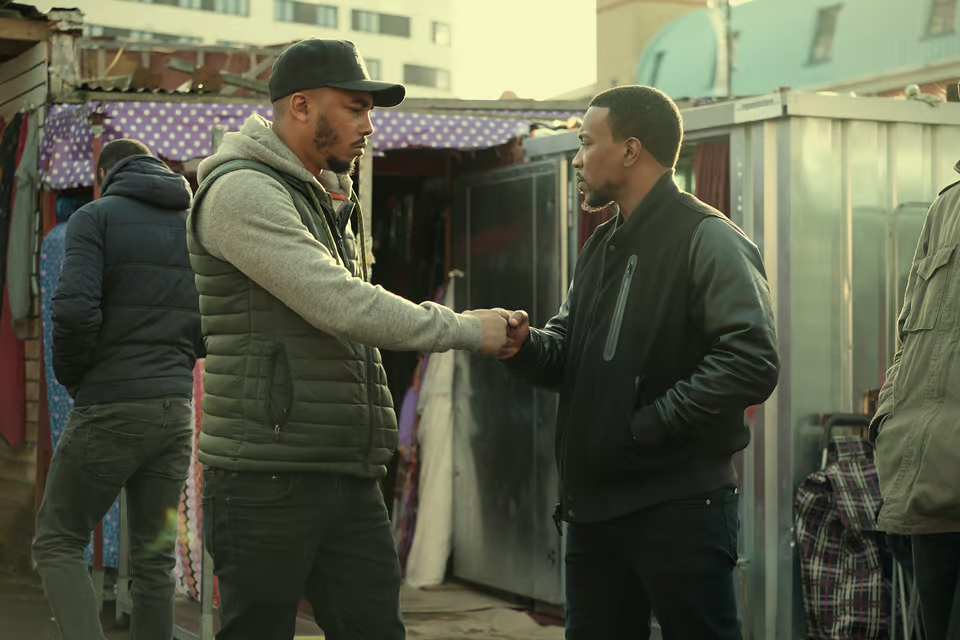
Top Boy is a Hackney story at heart, even though its fictional Summerhouse Estate has been assembled from real estates and streets across London. Behind the drugs, violence and rivalries, the series became an unusually sharp portrait of East London, its communities, inequalities, changing streets and the pressures created when an old neighbourhood becomes desirable…
-
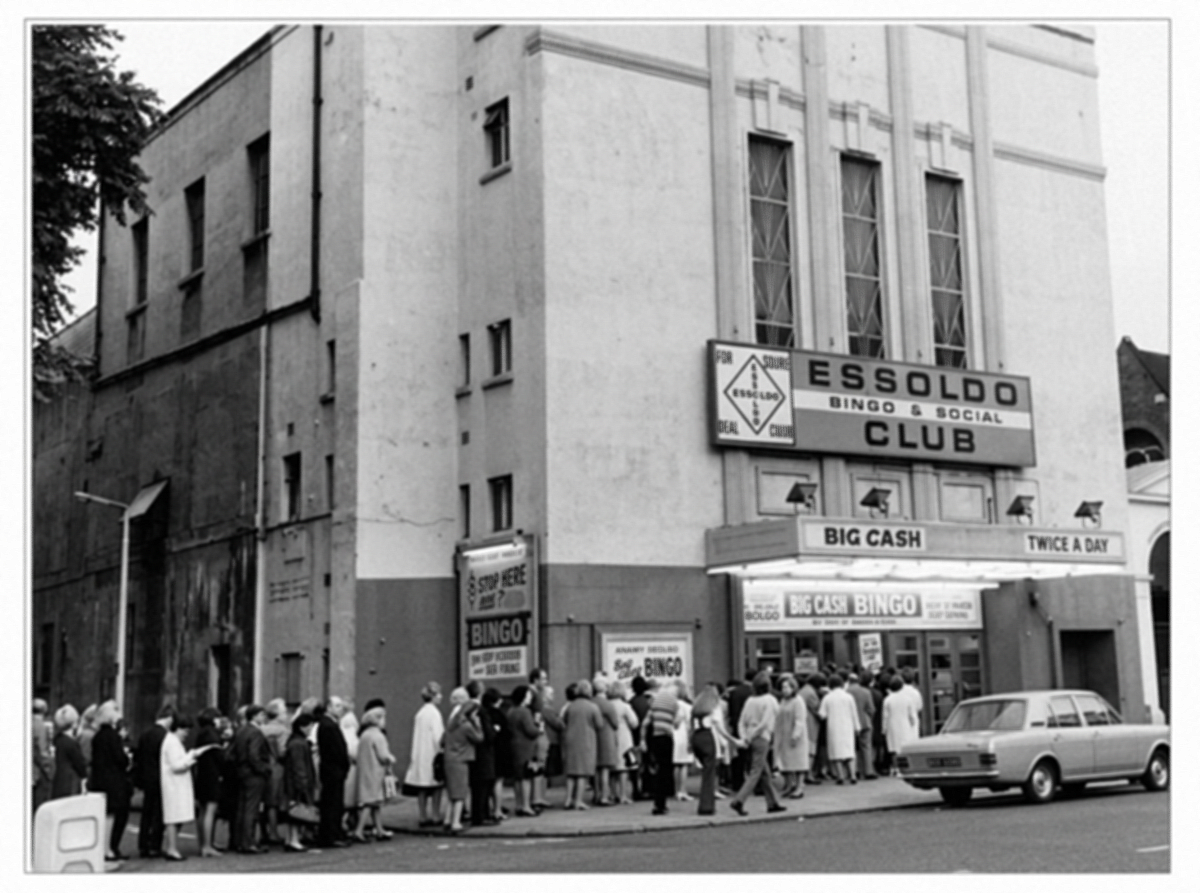
Discover the lost history of 184 Mare Street, Hackney E8: from its origins as a Presbyterian chapel to the Empress cinema, Essoldo picture house and Top Rank bingo hall before its demolition
-
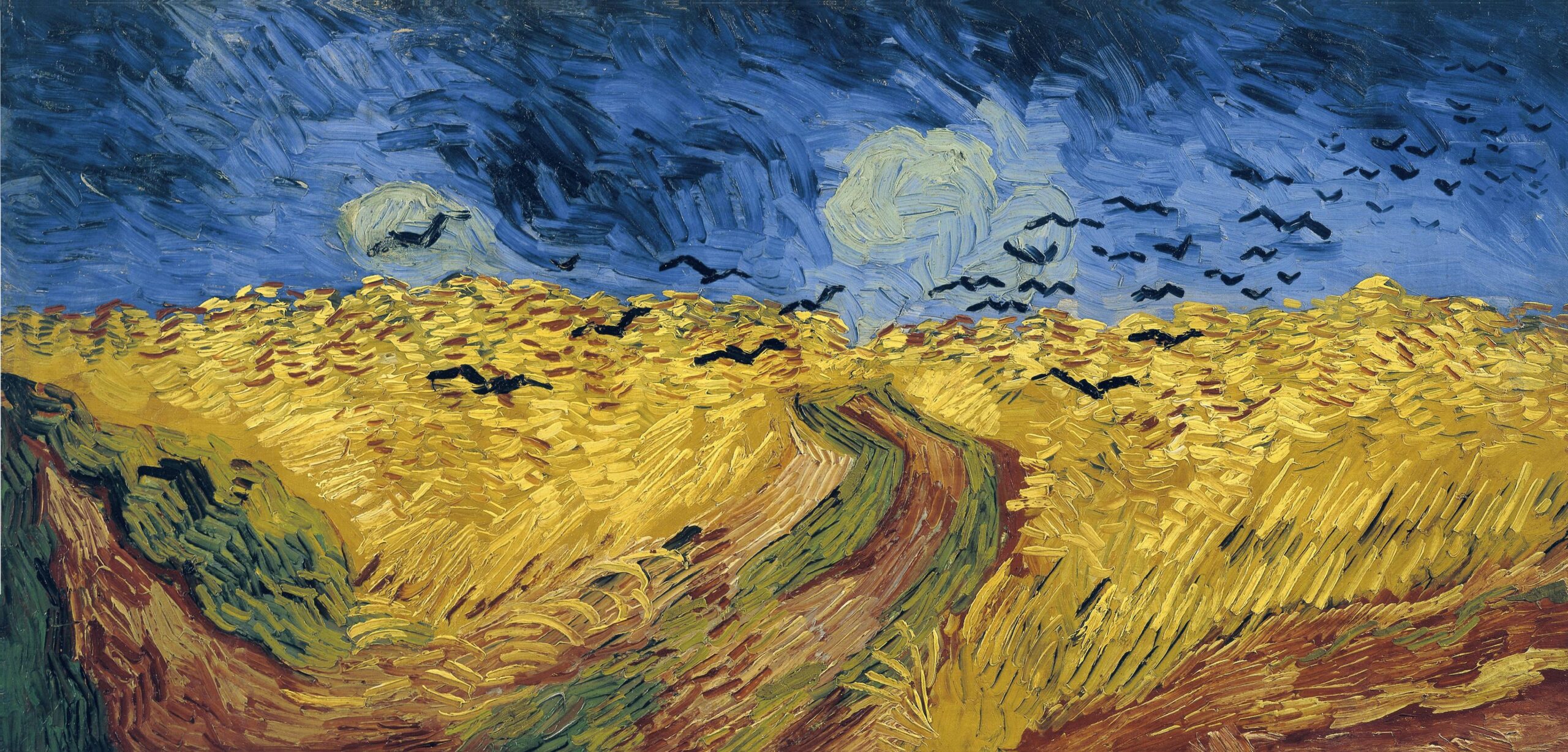
Discover the eerie history of a Martello Street house in London Fields where a murdered man was secretly buried beneath the cellar floor for seven years, and learn about the artist Andrew Aiken, his murals and his shocking confession
-
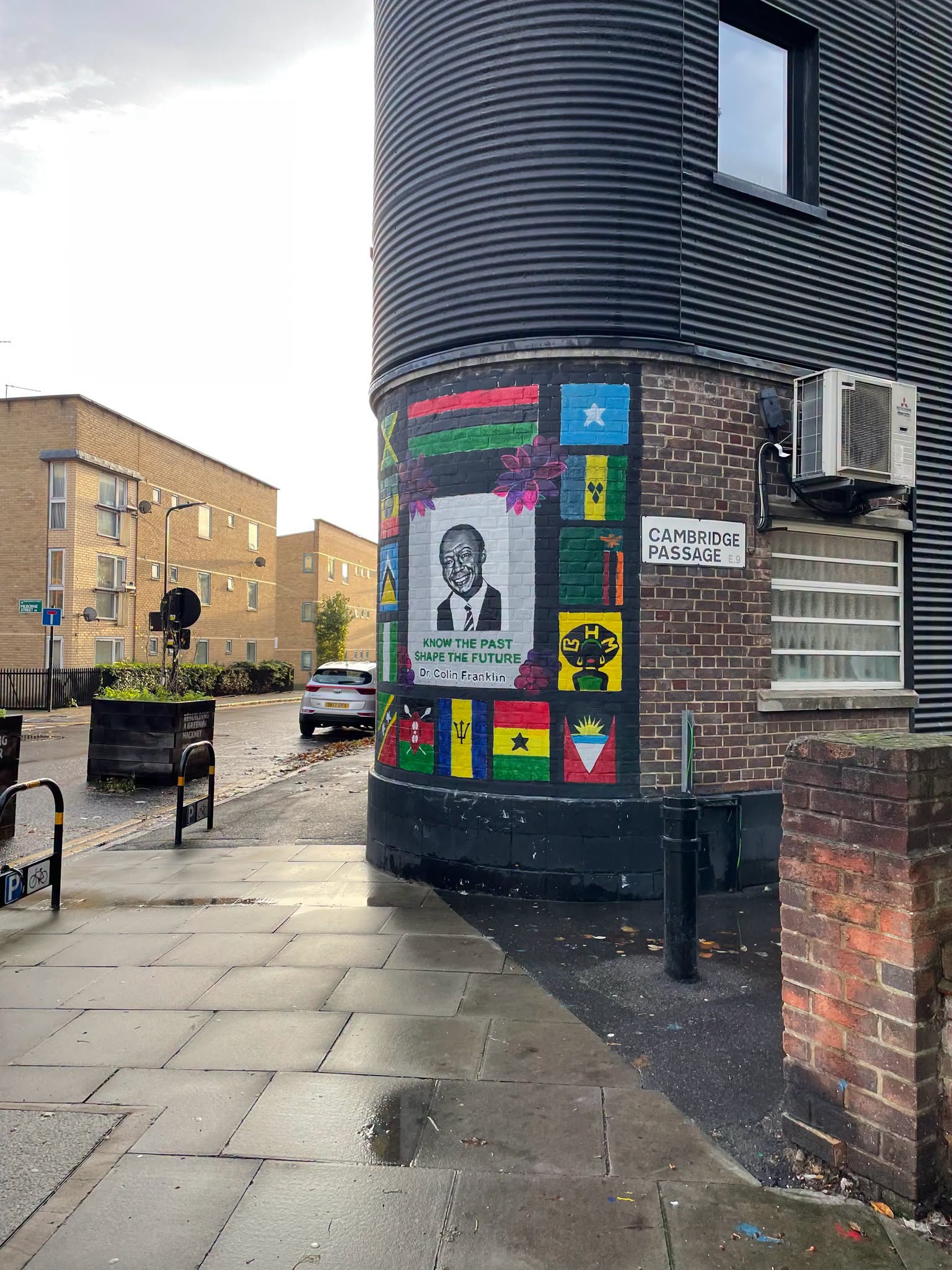
Dr Colin Franklin was one of Hackney’s pioneering black GPs, who built an extraordinary relationship with patients from his small practice in Lauriston Road and became a much-loved figure in the local community
-
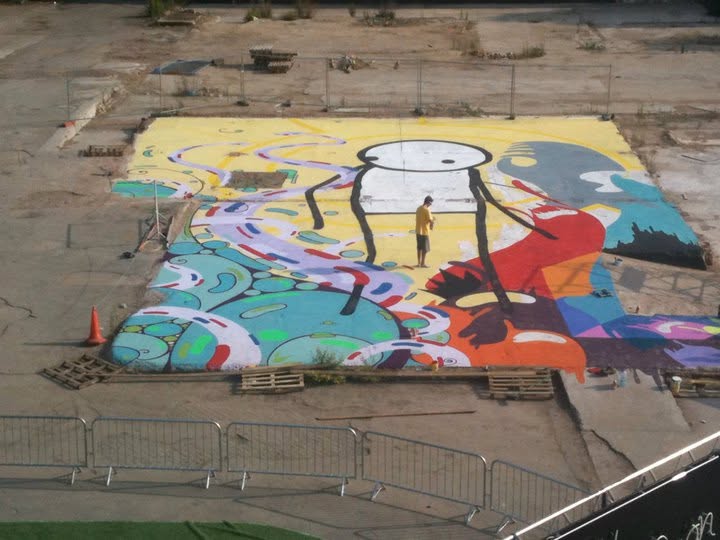
Stik, Milo Tchais and Prozak’s street art collaboration, painted in Hackney Wick as the area braced for the 2012 Olympics.
-
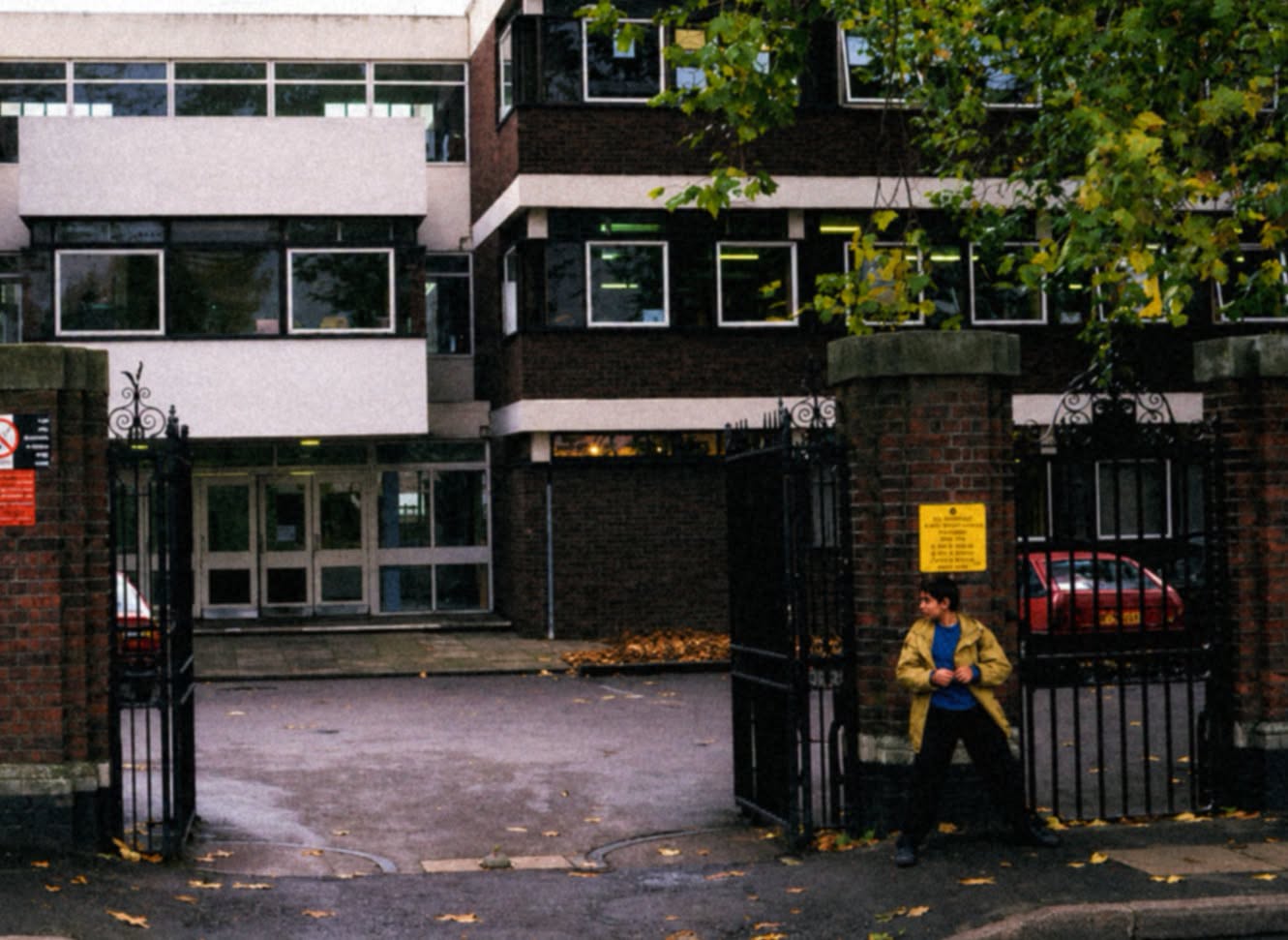
Hackney Downs School was one of Lower Clapton’s defining educational institutions for over 120 years, with its history reflecting both the aspirations and the challenges of one of London’s fastest-changing boroughs.
-
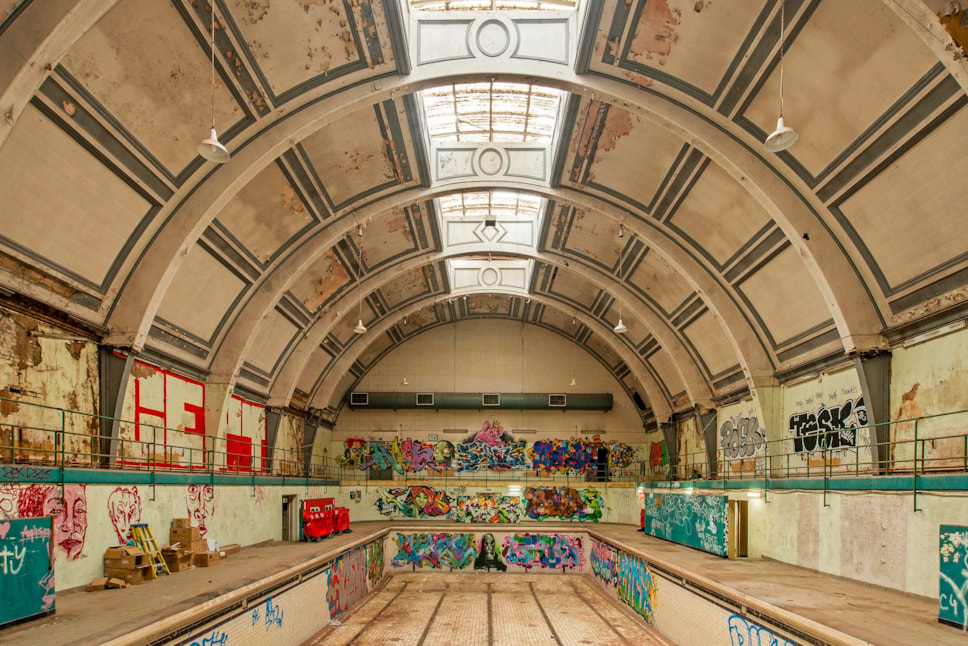
Haggerston Baths in Hackney: a Grade II-listed swimming pool with a fascinating past, now facing an uncertain future
-
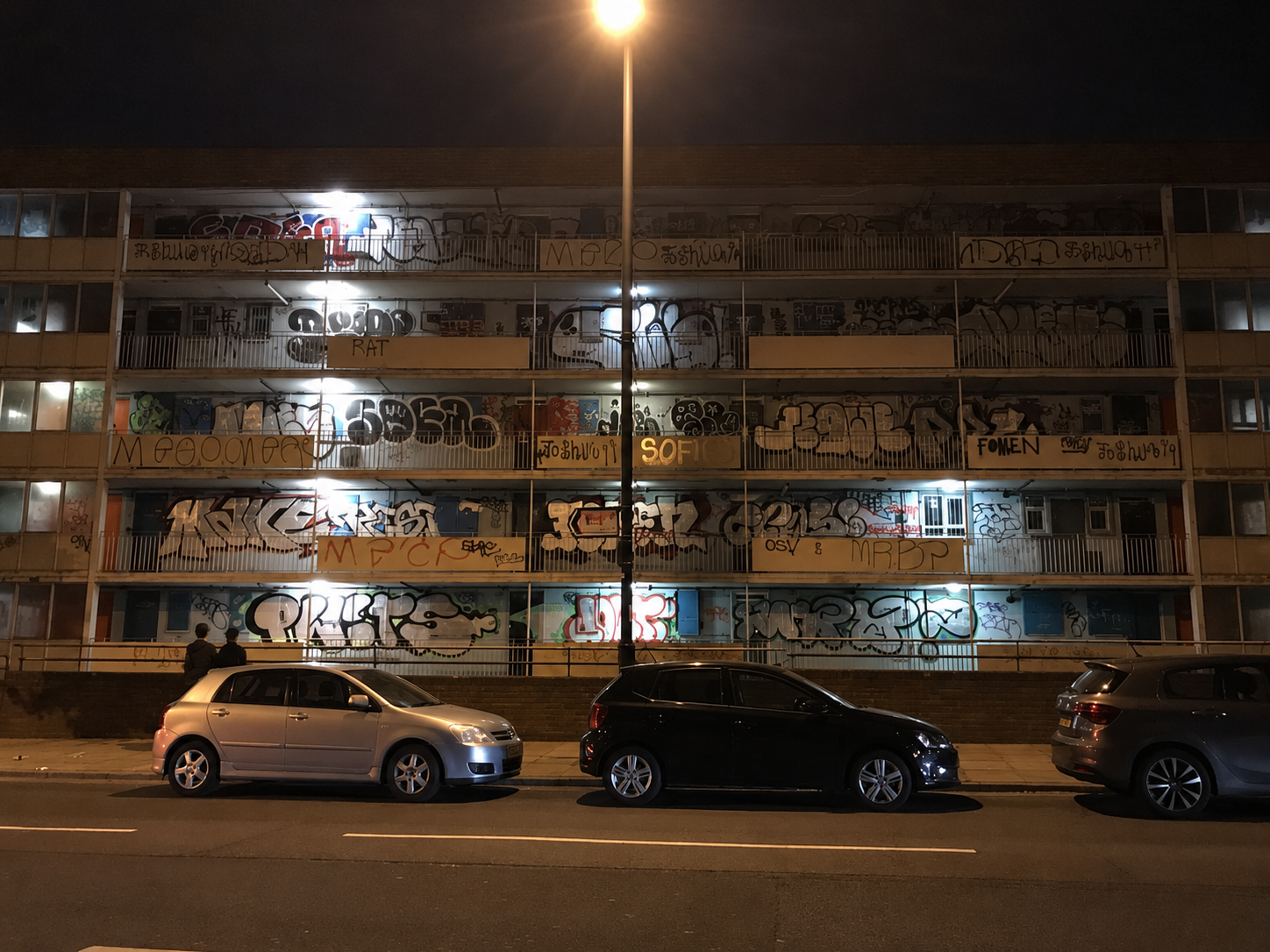
History and future plans for Marian Court in Homerton, a post-war Hackney housing estate that stood for more than 60 years. Built to tackle London’s housing shortage after the Second World War, Marian Court reflected the changing priorities of social housing in Hackney and is now being replaced as part of a major redevelopment that…
-
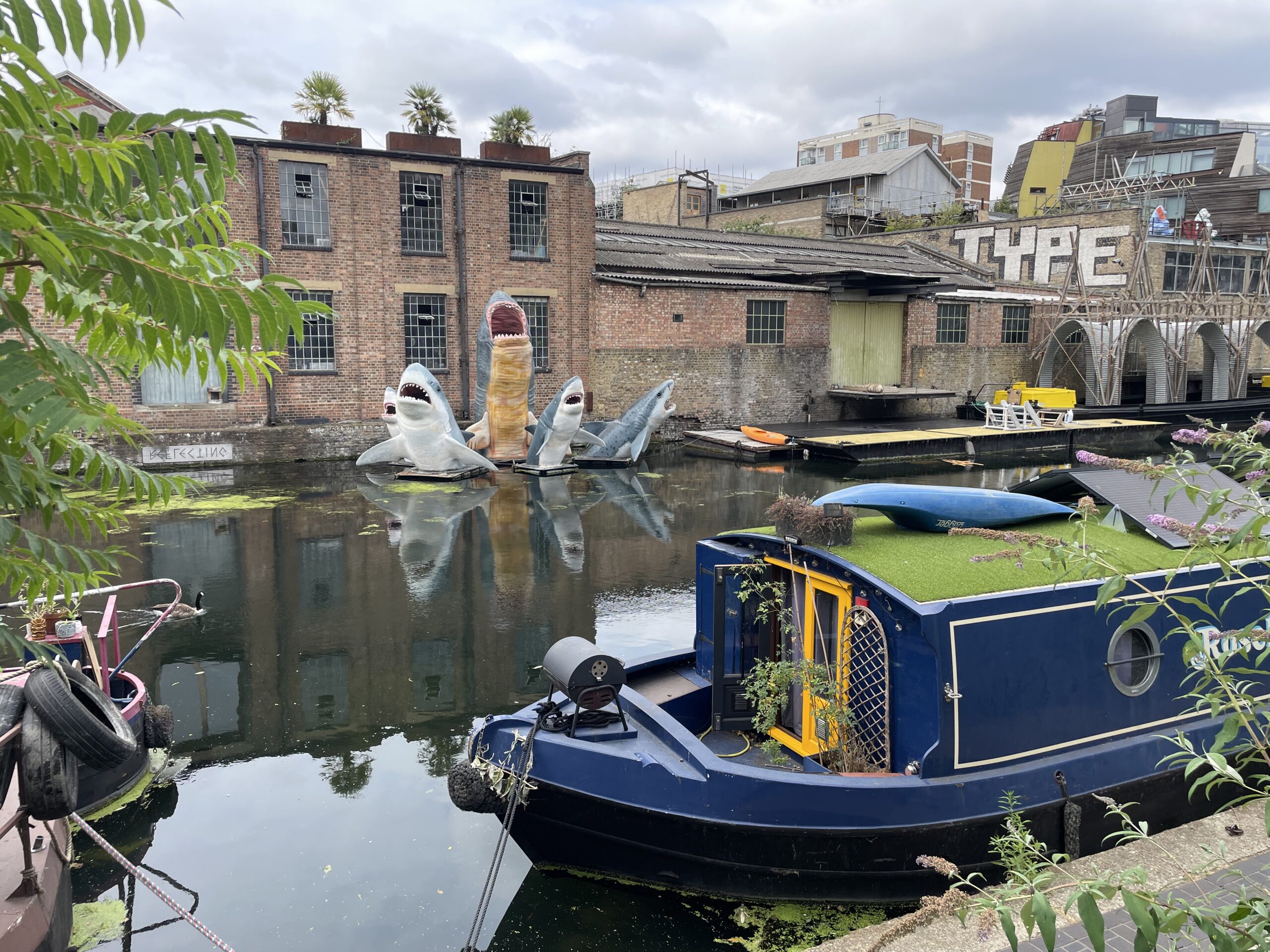
Discover the story behind the giant shark sculptures at Hoxton Docks near Broadway Market, Hackney, and the unusual public art dispute that made them famous
-
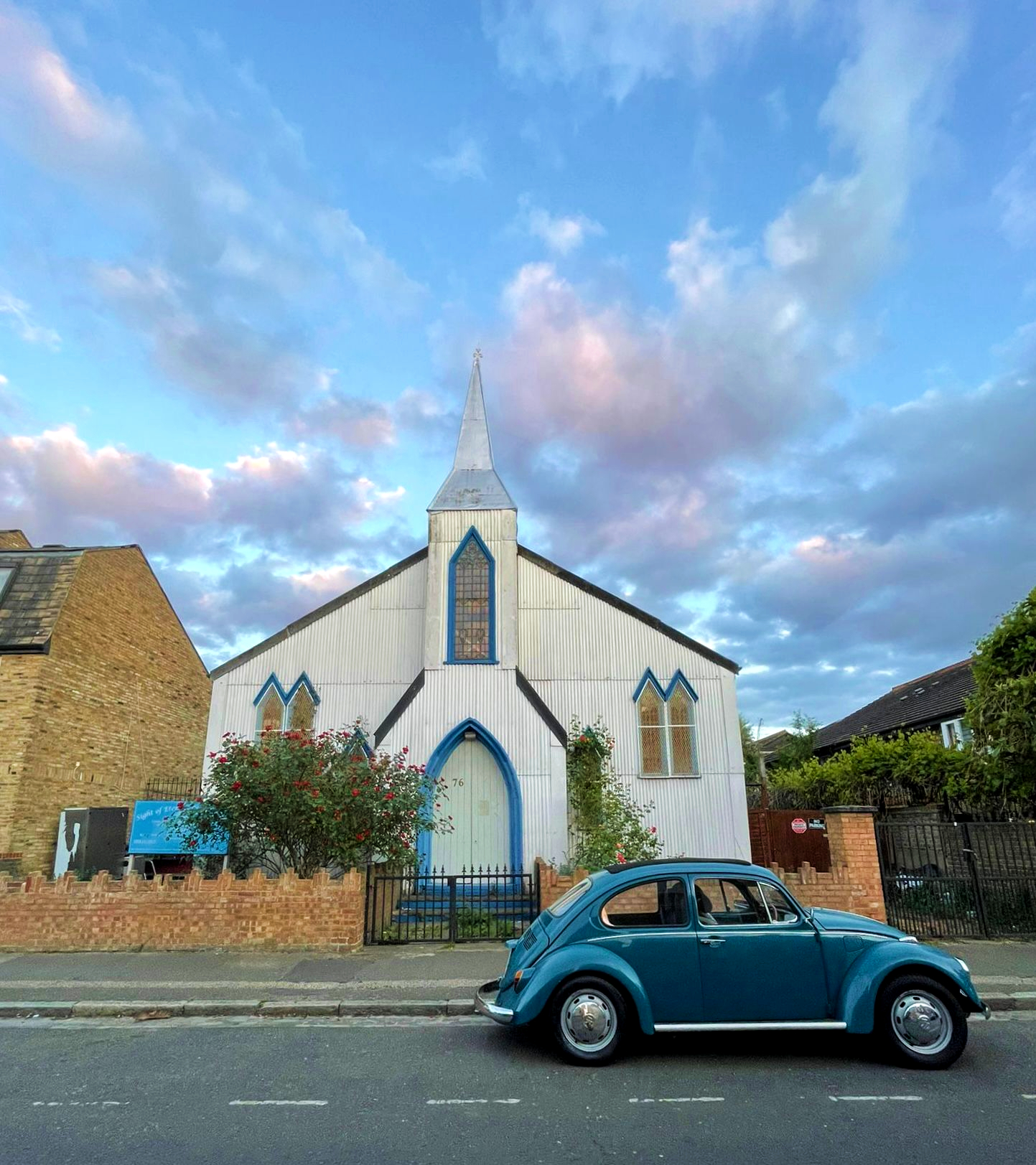
Explore the history of the Tin Tabernacle on Shrubland Road, Hackney E8, a rare surviving corrugated iron church and possibly the oldest of its kind in the UK